К компостируемой упаковке и упаковке из вторичного сырья предъявляются более высокие доказательные требования, чем к обычному пластику — регулирующие органы, ритейлеры и сертификационные организации все чаще ожидают документально подтвержденных данных испытаний, прежде чем на упаковке появится маркировка «биоразлагаемый», «компостируемый» или «изготовлено из переработанного сырья». В то же время переход на смолы на биологической основе или добавление PCR-компонентов может незаметно изменить характеристики сварки, растяжения или барьерные свойства пленки. Тестирование позволяет выявить обе проблемы до того, как они дойдут до клиента или станут поводом для жалобы на гринвошинг.
«Биоразлагаемый» и «компостируемый» — это все более регулируемые маркетинговые термины; заявление, не подкрепленное данными испытаний, является юридическим и репутационным риском.
Гранулы из вторичного сырья варьируются от партии к партии по молекулярной массе и уровню загрязнения, что может нарушить процесс экструзии или формования пленки, если не проводить проверку.
Смолы на биологической основе или переработанные смолы могут незаметно изменить барьерные и прочностные характеристики по сравнению с теми, для которых была квалифицирована исходная структура из первичного материала.
Эти параметры охватывают основные требования и проверки характеристик, необходимые для компостируемых пластиков, биоразлагаемой упаковки и пленки или жесткой упаковки из вторичного сырья.
| Свойство | Зачем тестируется | Ссылочные стандарты | Рекомендуемый прибор |
|---|---|---|---|
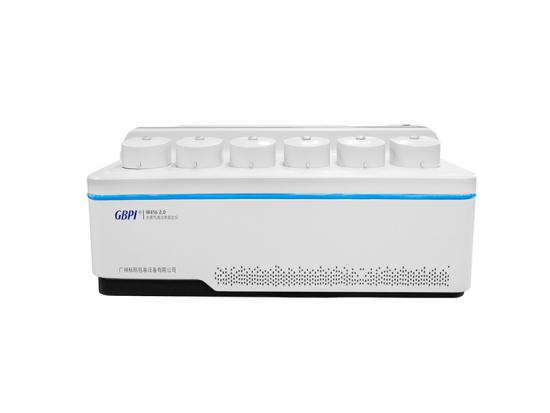
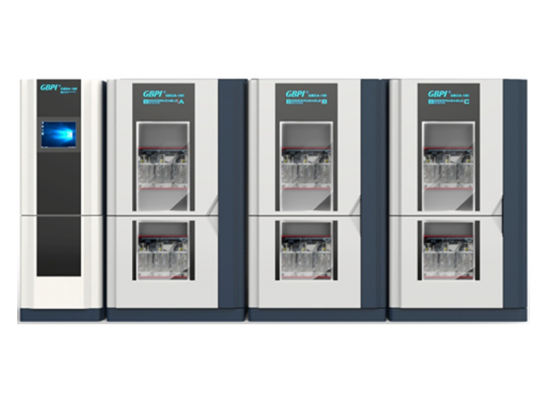
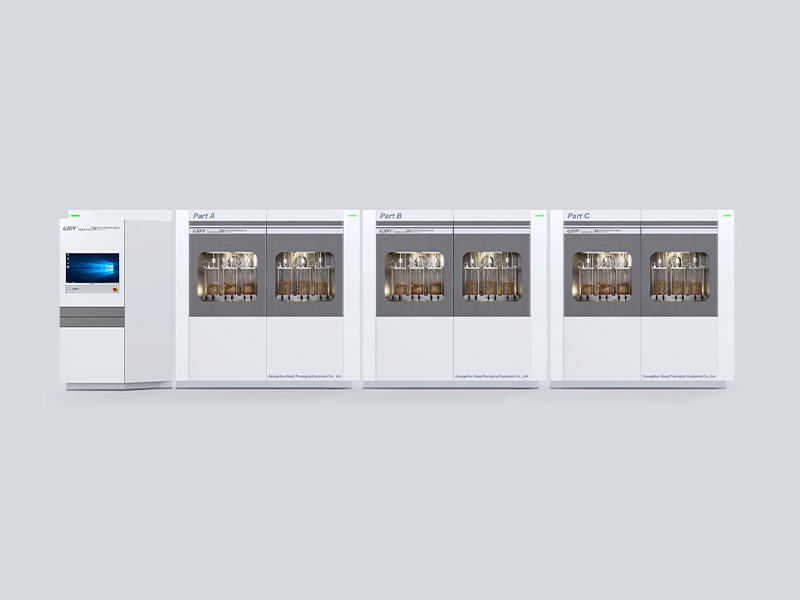
| Аэробное биоразложение (компост) | Измеряет выделение CO2 для подтверждения того, что материал действительно биоразлагается в условиях компостирования, что является основным доказательством для заявления о компостируемости | ISO 14855‑1, ASTM D5338 | Тестер биоразложения в компосте |
| Дезинтеграция в условиях компостирования | Подтверждает, что материал физически распадается на мелкие фрагменты в течение требуемого периода компостирования | ASTM D6400, EN 13432 | Тестер биоразложения в компосте |
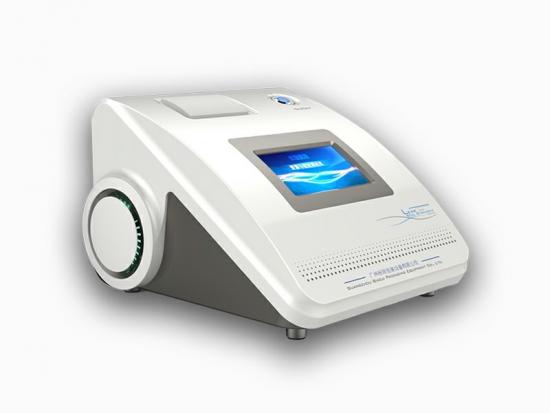
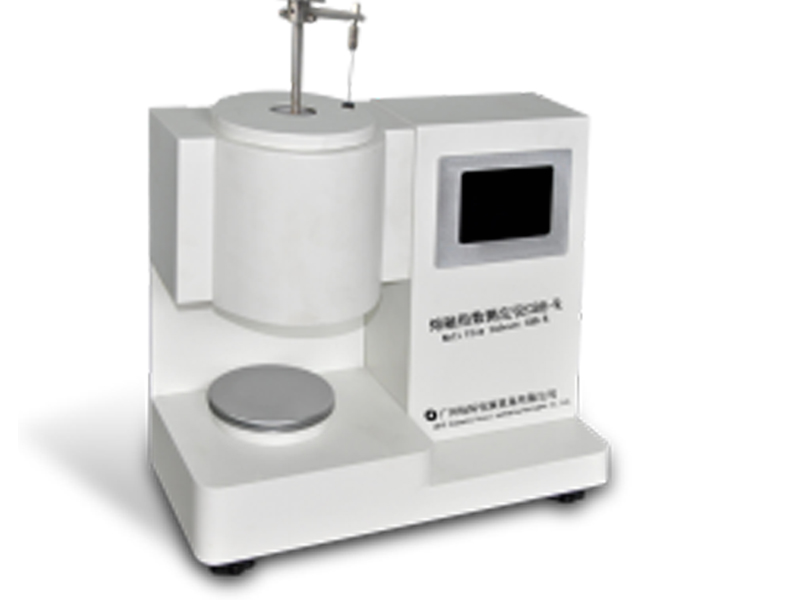
| Скорость течения расплава (MFR / MFI) | Проверяет, достаточно ли стабильны входящие гранулы переработанного или биооснованного сырья для надежной работы на существующих линиях | ASTM D1238, ISO 1133 | Прибор для определения скорости течения расплава |
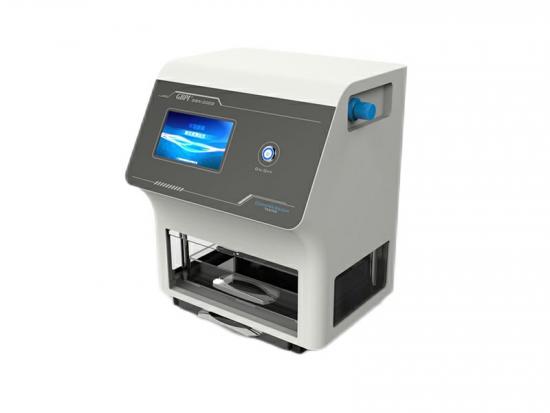
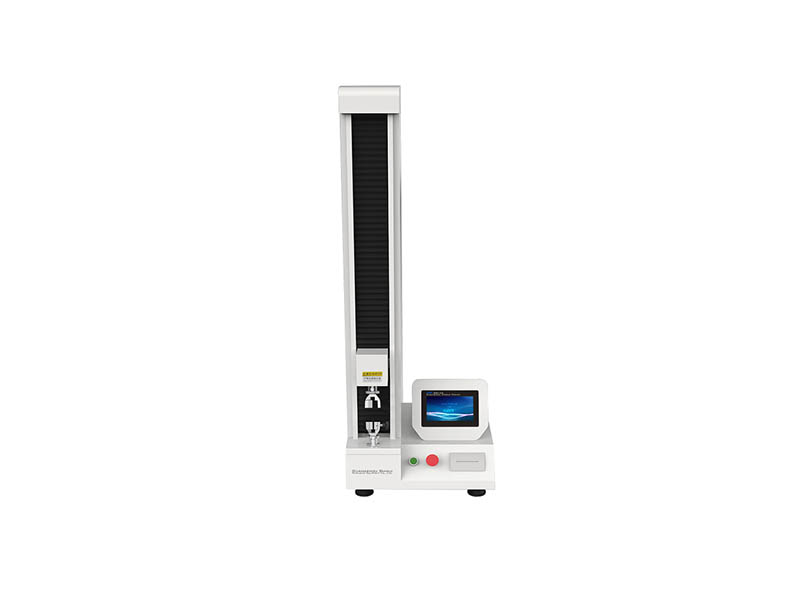
| Предел прочности при растяжении и удлинение | Подтверждает сохранение механических характеристик при добавлении переработанного или биооснованного сырья в пленку или лист | ASTM D882, ISO 527‑1 | Разрывная машина |
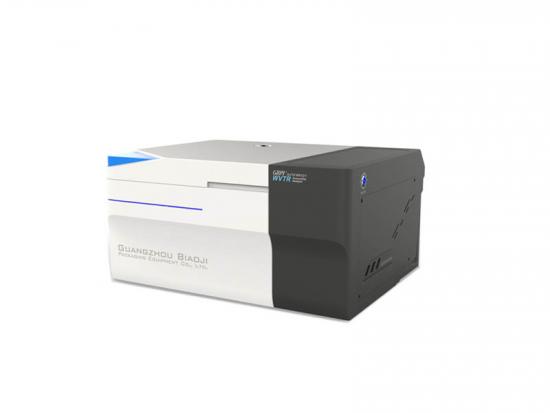
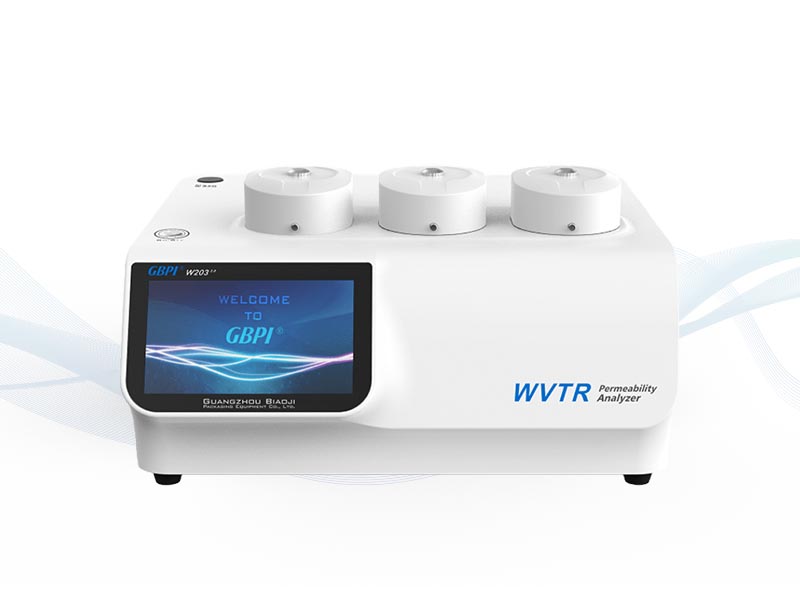
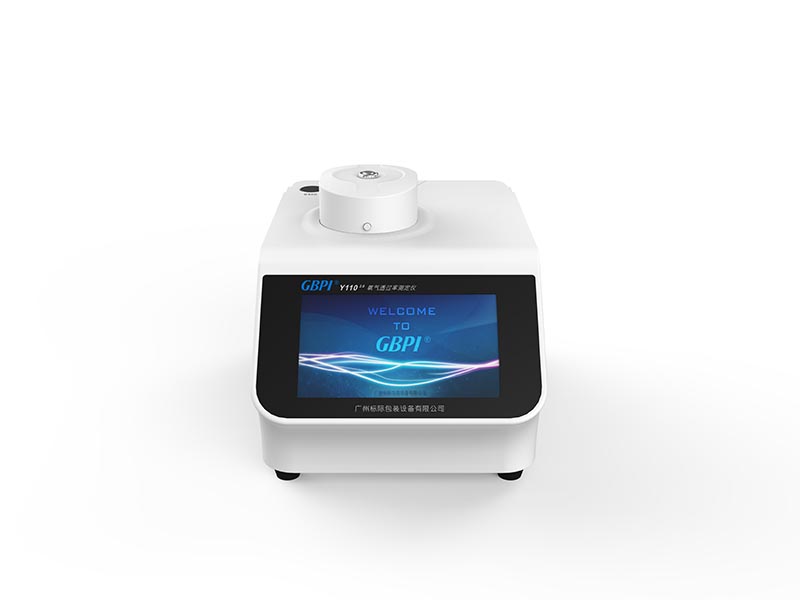
| Скорость пропускания водяного пара и кислорода | Повторно проверяет барьерные свойства при каждом изменении содержания переработанного или биооснованного сырья в структуре материала | ASTM F1249, ASTM D3985 | Водяной пар / Анализатор проницаемости кислорода |
| Толщина и оптическая прозрачность | Выявляет визуальные и размерные несоответствия, которые могут возникать от партии к партии при использовании переработанного или биооснованного сырья | ASTM D374, ASTM D1003 | Толщиномер / Измеритель мутности |
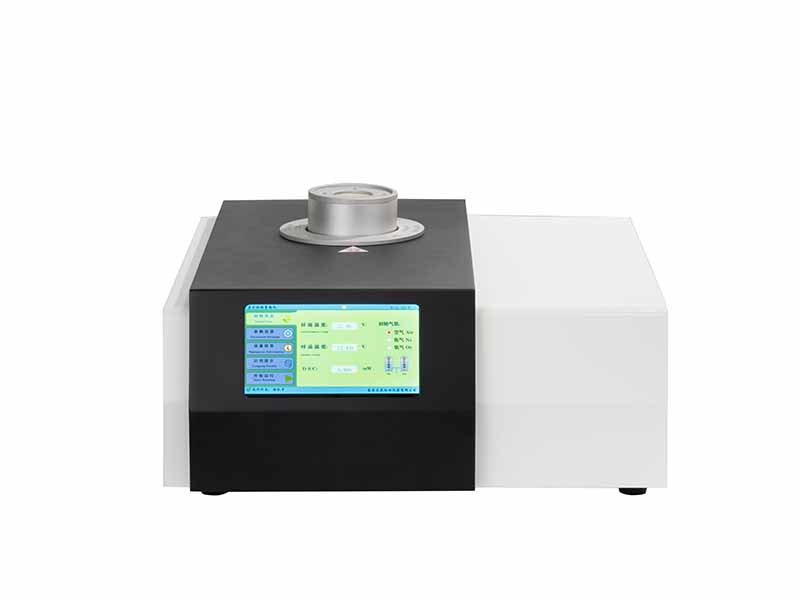
| Температура плавления, кристалличность и температура стеклования (ДСК) | Подтверждает идентификацию смолы и соотношение смесей PLA/PBAT/PCR, а также выявляет загрязнения или несоответствия состава от партии к партии | ASTM D3418, ISO 11357 | Дифференциальный сканирующий калориметр (ДСК) |
Набор тестов меняется в зависимости от того, претендует ли материал на компостируемость или пригодность к переработке — большинству программ экологичной упаковки требуется тестирование как механических свойств, так и экологических показателей.
Пакеты, столовые приборы и стаканчики из PLA, PBAT и PBS — тестирование на биоразложение и дезинтеграцию подтверждает заявленную компостируемость.
Гибкая пленка и жесткие контейнеры с содержанием переработанного сырья — тестирование скорости течения расплава, прочности на разрыв и барьерных свойств подтверждает стабильность процесса и характеристик.
Биоразлагаемая в почве мульчирующая и сельскохозяйственная пленка — испытания на компостируемость/разложение в почве подтверждают заявления об утилизации по окончании срока службы.
Моно-ПЭ или моно-ПП структуры, разработанные с учетом возможности переработки — испытания барьерных и механических свойств подтверждают, что упрощенная структура сохраняет свои характеристики.
Испытание показателя текучести расплава для переработанных гранул или гранул на биологической основе перед их запуском в производство.
Испытания на растяжение, толщину и скорость пропускания водяного пара/кислорода (WVTR/OTR) для подтверждения того, что новая структура по-прежнему соответствует спецификациям.
Испытания на разложение в компосте для получения данных, подтверждающих заявления о биоразлагаемости или компостируемости.
Отчеты об испытаниях, готовые для внутреннего утверждения, выполнения требований розничных сетей или сторонней сертификации.
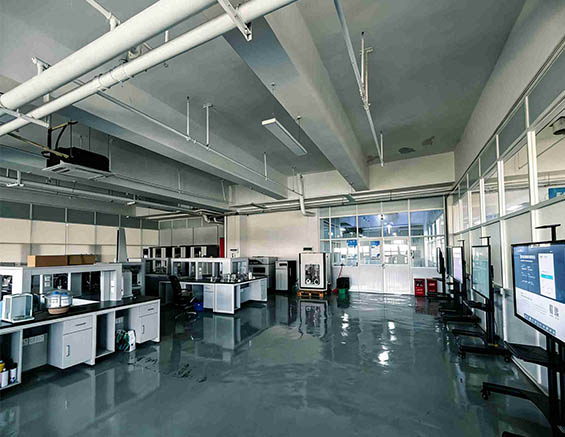
Типичная лаборатория контроля качества экологичных материалов строится вокруг тестера разложения в компосте, пластометра (тестера текучести расплава) и установки для испытаний на растяжение/барьерные свойства — вместе они обеспечивают обоснование заявлений и повседневный контроль процессов.


Авторские права @ 2026 Guangzhou Biaoji Packaging Equipment Co.,Ltd. Все права защищены.

 info@gbtest.cn
 ru
ru en
en es
es ar
ar