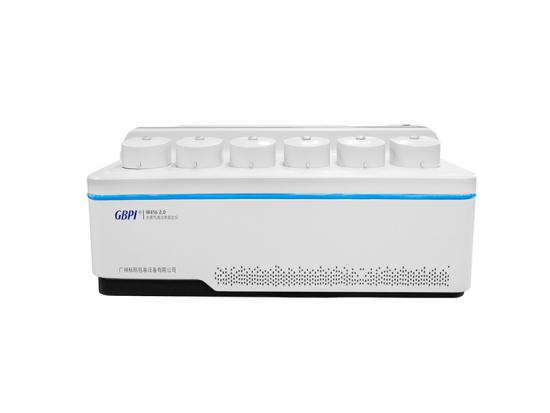
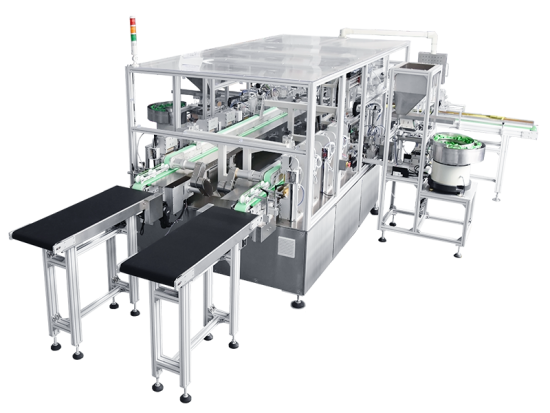
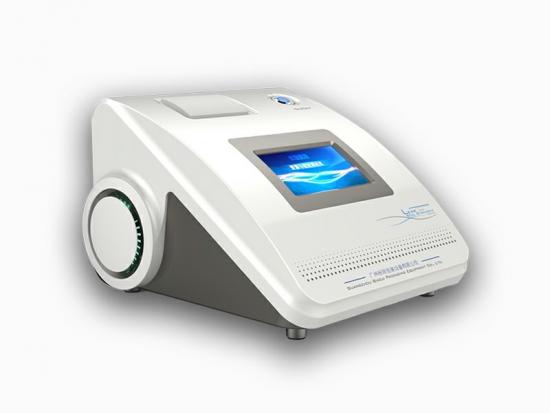
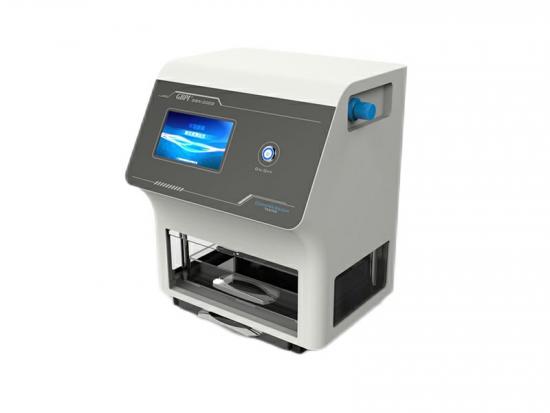
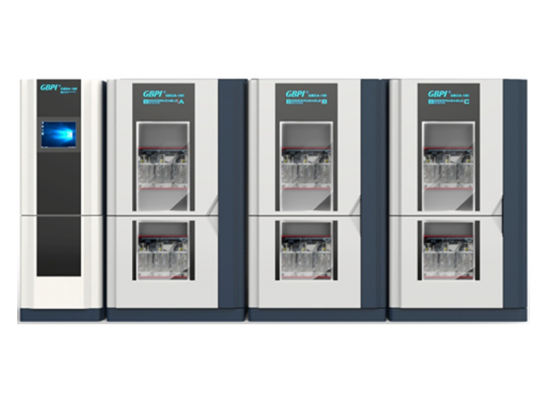
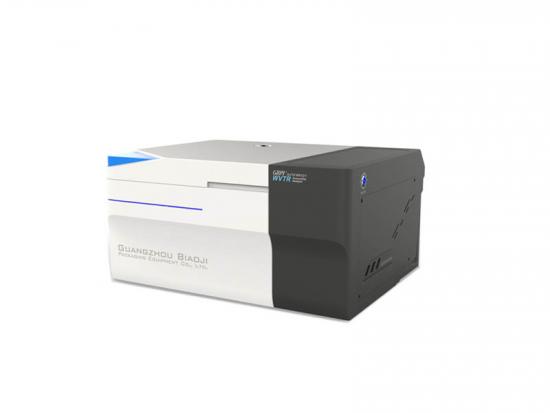
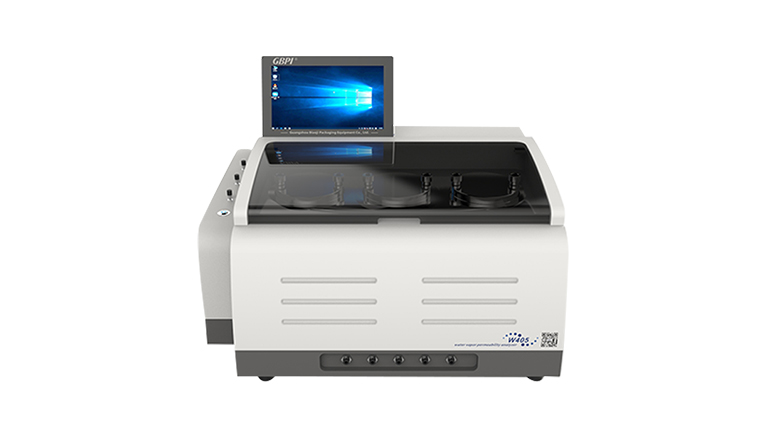
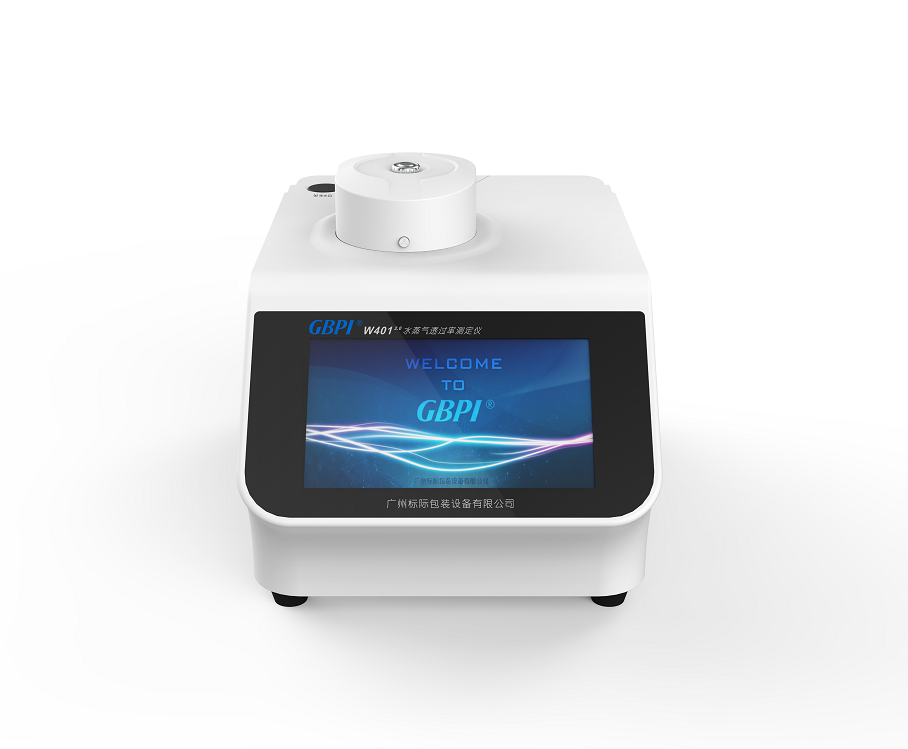
От сырой пленки до готового пакета — GBPI предоставляет оборудование для тестирования барьерных свойств, герметичности, механических характеристик и миграции, которое производители гибкой упаковки, переработчики и лаборатории контроля качества используют для проверки срока годности, целостности швов и соответствия нормативным требованиям.
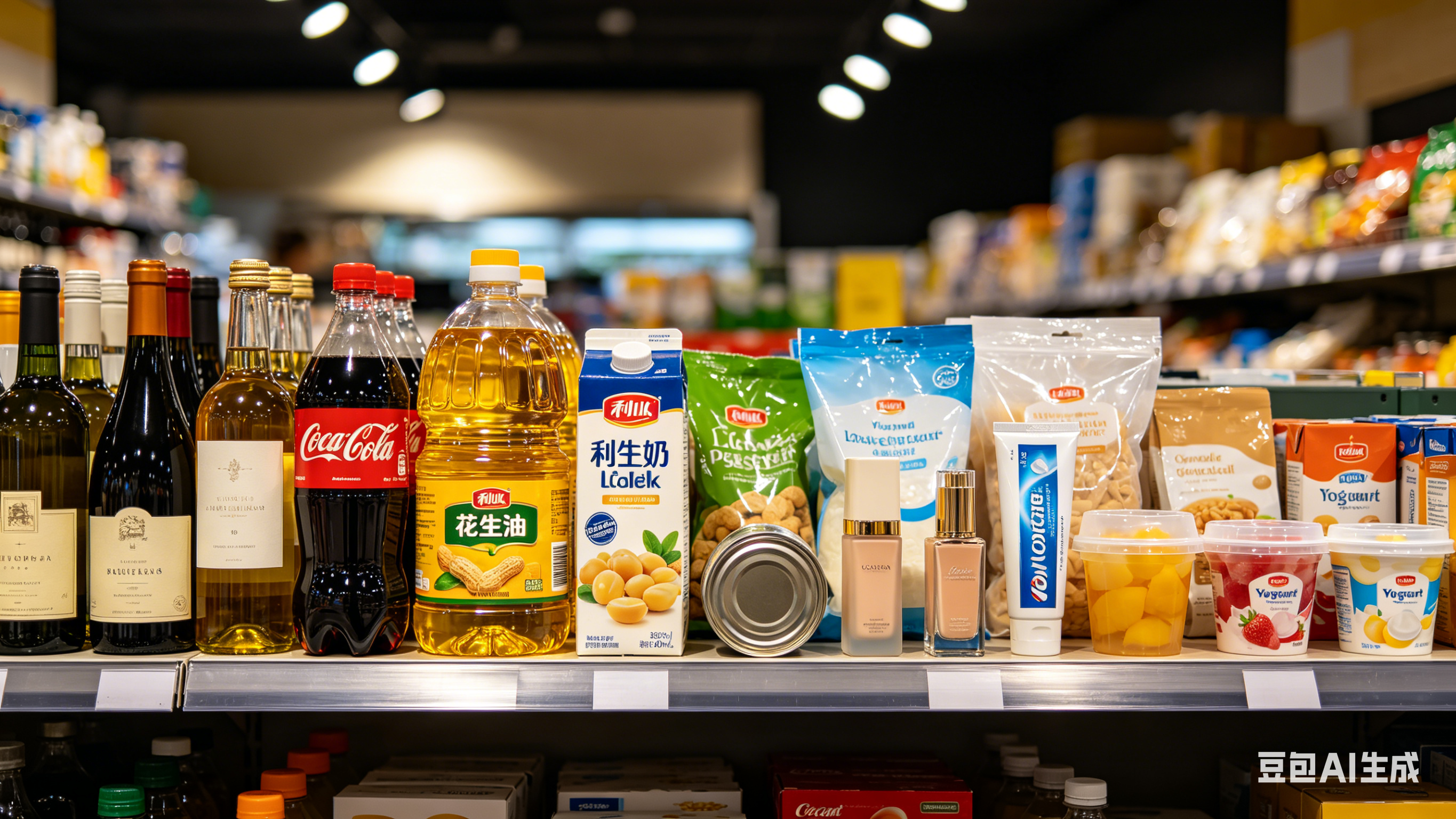
Стоячие пакеты (дой-пак), реторт-пакеты, саше и многослойные пленки разработаны для того, чтобы удерживать влагу, кислород и ароматы там, где они должны быть. Отклонение барьерных свойств даже на долю или шов, который на несколько микрон тоньше спецификации, может сократить срок годности, привести к отзыву продукции или стать причиной отказа при входном контроле у заказчика. Тестирование структуры до того, как она покинет завод — а не после получения жалоб — является основной задачей представленных ниже приборов.
Проникновение водяного пара и кислорода, не выявленное при контроле качества, позже проявляется в виде порчи продукта, посторонних привкусов или окисления содержимого.
Нестабильная прочность термосварки или скрытые каналы утечки приводят к отказам в процессе эксплуатации, которые дорого отслеживать до конкретной производственной партии.
Владельцы брендов, ритейлеры и экспортные рынки все чаще требуют документально подтвержденные данные испытаний на соответствие стандартам ASTM/ISO, прежде чем одобрить поставщика упаковки.
Это свойства, для измерения которых созданы приборы GBPI, применимые к пленкам, ламинатам и готовым пакетам — те же параметры, на которые ссылается большинство спецификаций заказчиков и пакетов документов для квалификации реторт-упаковки/контакта с пищевыми продуктами.
| Свойство | Зачем тестируется | Ссылочные стандарты | Рекомендуемый прибор |
|---|---|---|---|
| Скорость пропускания водяного пара (WVTR) | Прогнозирует срок годности сухих продуктов, снеков, порошков и фармацевтических блистеров/пакетов, зависящий от влажности | ASTM F1249 / E96, ISO 15106 | Анализатор проницаемости водяного пара |
| Скорость пропускания кислорода (OTR) | Определяет риск окисления жирных продуктов, кофе, мяса в МГС и напитков | ASTM D3985, ISO 13274 | Анализатор проницаемости кислорода |
| Скорость пропускания газа (CO₂/N₂ и т.д.) | Проверяет барьерные характеристики для газированных напитков и упаковки в модифицированной газовой среде | ISO 2556, ASTM D1434 | Анализатор газопроницаемости |
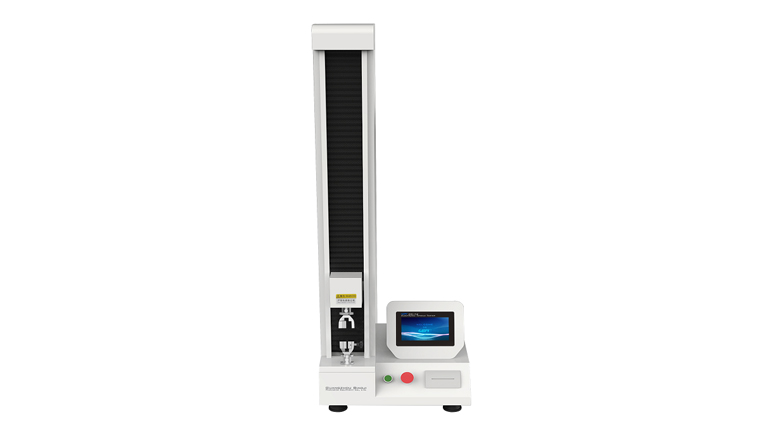
| Прочность термосварного шва | Подтверждает целостность шва в диапазоне температур сварки, используемом на производственной линии | ASTM F2029 / F88, ISO 11607-2 | Лабораторный запайщик + Разрывная машина |
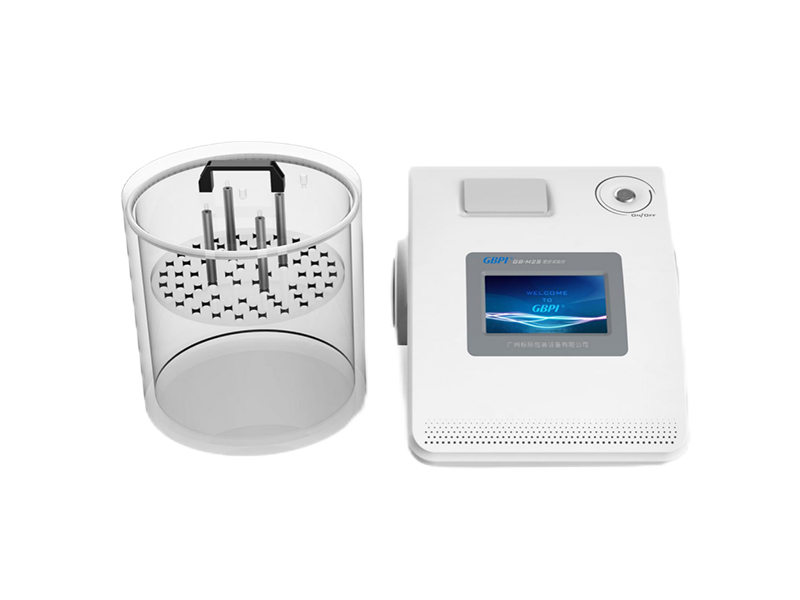
| Герметичность упаковки / Целостность шва | Обнаруживает проколы, канальные утечки и слабые швы на готовых пакетах перед отправкой | GB/T 15171, ASTM D3078 | Тестер герметичности |
| Предел прочности при растяжении и относительное удлинение | Проверяет способность пленки выдерживать натяжение на линии, падение и погрузочно-разгрузочные работы без разрывов | ASTM D882, ISO 527-1 | Разрывная машина |
| Коэффициент трения (COF) | Обеспечивает надежную подачу, формование и штабелирование на упаковочных/фасовочных линиях | ASTM D1894, ISO 8295 | Тестер коэффициента трения |
| Сопротивление проколу и ударная прочность | Прогнозирует сохранность при транспортировке — падение, штабелирование и механические воздействия | ASTM D3420 / F1306, ISO 6603 | Тестер ударной прочности методом падающего дротика |
| Толщина и однородность пленки | Подтверждает стабильность толщины, которая лежит в основе всех остальных физических и барьерных показателей | ASTM D374, ISO 4593 | Толщиномер |
| Остаточные растворители и запах | Проверяет печатную/ламинированную пленку на наличие следов растворителя перед контактом с пищевыми продуктами | Внутренний метод ГХ, ASTM E679 | Газовая хроматография |
Один и тот же базовый набор тестов применяется во всех отраслях — меняется лишь то, какие свойства наиболее важны и какие стандарты ожидает увидеть заказчик или регулятор.
Стоячие пакеты (дой-пак), реторт-пакеты, лотки с МГС и пленка для флоу-пак — показатели WVTR, OTR и прочность шва определяют сроки годности.
Блистерные ламинаты, саше и стрип-упаковки — данные о барьерных свойствах и герметичности для подтверждения стабильности и квалификации по ISO 11607.
Пакеты с дозатором и саше для соков/масел — основными испытаниями являются газовый барьер, целостность уплотнения дозатора и устойчивость к падению.
Саше, пакеты для дозаправки и ламинатные тубы — прочность шва, коэффициент трения (COF) для обеспечения работы на линии и барьер для активных веществ.
Типичная лаборатория контроля качества гибкой упаковки строится вокруг прибора для измерения барьерных свойств, тестера прочности на разрыв/сварку и тестера герметичности. Эти три прибора покрывают большинство требований спецификаций и аудитов клиентов.
Точные применимые стандарты зависят от модели прибора и выбранного метода испытаний — перед определением спецификации уточните конкретный стандарт для вашего продукта у нашей команды.


Авторские права @ 2026 Guangzhou Biaoji Packaging Equipment Co.,Ltd. Все права защищены.

 info@gbtest.cn
 ru
ru en
en es
es ar
ar